
Italy Beyond Rome, Florence, and Venice
Tripdash Team
July 7, 2026
Rome, Florence, and Venice get all the attention, but Italy's smaller cities, from Bologna's food scene to Matera's cave dwellings, deserve three nights of their own.
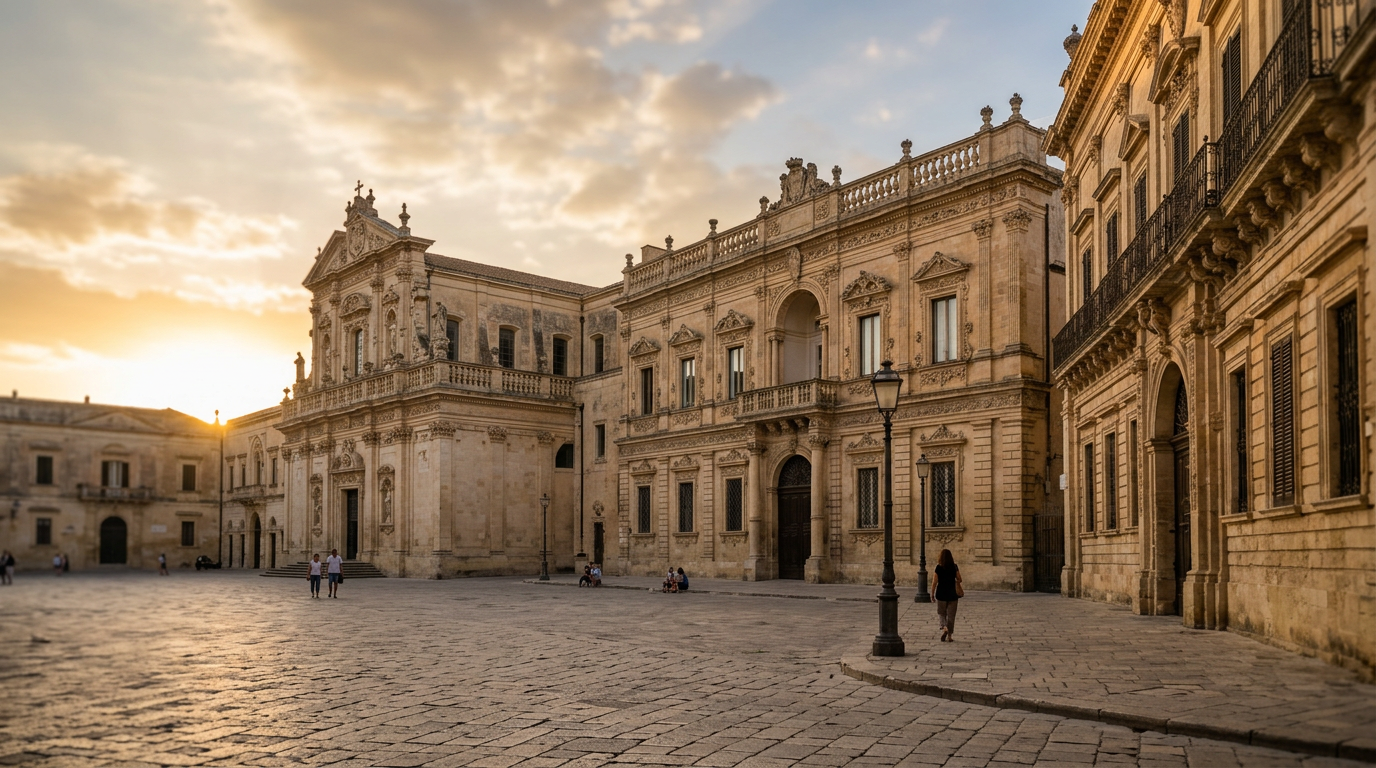
Most first-time visitors to Italy build a trip around three names: Rome, Florence, Venice. It is a reasonable place to start, and nobody should feel bad about wanting to see the Colosseum or stand on the Rialto Bridge. But Italy rewards travelers who slow down and wander past the postcard stops, and the country's smaller cities are where that reward shows up fastest. These are places with their own cathedrals, their own food traditions, and their own quiet piazzas that never fill up with tour groups, and they are close enough to the big three that skipping them usually just comes down to not knowing they exist.
If you're planning a longer Italy trip, or a second or third visit after you've already ticked off the classics, these are the underrated Italy destinations worth carving out three nights for. Tripdash's trip planning tools can help you string a few of these together into a route that actually makes geographic sense, rather than zig-zagging across the country chasing flight deals.
Bologna, Italy's Food Capital Without the Crowds
Bologna gets overlooked because it doesn't have a single headline monument, but that's exactly the point. This is the city that gave the world tagliatelle al ragù, tortellini, and mortadella, and it takes its food as seriously as any place in the country. The historic center is compact and walkable, wrapped in porticoes that stretch for miles and let you explore even when it's raining.
Beyond the food, Bologna has one of the oldest universities in the world, which gives the city a youthful, lived-in energy that's different from the more museum-like feel of Florence. The Two Towers are a modest but worthwhile climb, and the Piazza Maggiore is a proper Italian square without the crowds pressing in from every side. Three nights here is enough time for a food tour, a day trip to nearby Modena or Parma, and plenty of unhurried meals.
Lecce and Matera, the South's Baroque City and Its Cave Town
Down in Puglia, at the heel of Italy's boot, Lecce is often called the "Florence of the South" for its ornate baroque architecture, carved from a local golden limestone that seems to glow at sunset. Unlike Florence, though, Lecce sees a fraction of the visitors, and its historic core still feels like a place where people actually live rather than a backdrop for photos. The city is a good base for exploring the rest of Puglia, including the whitewashed hill towns and olive groves that stretch across the region, and its food leans heavily on seafood, fresh pasta shapes like orecchiette, and affordable local wine.
A couple of hours inland, Matera is one of the oldest continuously inhabited settlements in the world, and its Sassi districts, ancient cave dwellings carved directly into limestone cliffs, make it one of the most visually striking places in Italy. For much of the twentieth century, the Sassi were considered a symbol of poverty and were largely emptied out, but the city has since transformed itself, and many of the old cave homes are now boutique hotels and restaurants. Matera has appeared as a filming location for several major productions, drawn by its otherworldly, almost biblical landscape, and it rewards slow exploration since so much of its character shows up in narrow stone stairways, hidden rock-cut churches, and viewpoints that reveal the full scale of the Sassi at once.
Bergamo and Verona, Northern Cities Worth More Than a Day Trip
Bergamo sits close enough to Milan for a rushed half-day visit, but it deserves far more than that. The city is split into two parts: the lower, more modern Bergamo Bassa, and the walled hilltop old town, Bergamo Alta, reachable by a funicular that's part of the fun. The upper town's Venetian walls are a UNESCO World Heritage Site, and walking their perimeter gives sweeping views over the surrounding countryside. Because Bergamo gets overshadowed by Milan on one side and the Italian lakes on the other, it tends to get treated as a stopover rather than a destination, which is exactly why it still feels uncrowded even in high season.
Verona is not exactly a secret, thanks to its association with Romeo and Juliet, but it still gets far less attention than Venice despite being only about an hour away by train. The city has a beautifully preserved Roman arena that still hosts opera performances in the summer, a lovely riverside setting along the Adige, and an old town that's easy to cover on foot without feeling rushed. It also works well as a base for exploring the surrounding Veneto wine country, including Valpolicella, known for its rich red wines, a pairing that rarely makes it onto a Rome-Florence-Venice itinerary.
Choosing Between Them
Not every trip has room for all of these cities, so it helps to think about what kind of experience you're after and how many nights each place realistically deserves.
| Destination | Best For | Ideal Length of Stay |
|---|---|---|
| Bologna | Food lovers and university-town energy | 3 nights |
| Lecce | Baroque architecture and Puglia access | 3-4 nights |
| Matera | Unique landscapes and photography | 2-3 nights |
| Bergamo | Walled old towns and lake-region access | 2 nights |
| Verona | Wine country and easy train access | 2-3 nights |
Practical Tips for Planning an Off-the-Beaten-Path Italy Trip
A few practical notes make a real difference when your itinerary includes smaller cities rather than just the major hubs.
- Book train tickets for regional routes a few days ahead in summer, since smaller lines run less frequently than the high-speed corridors between major cities.
- Rent a car if you're combining Puglia towns like Lecce with the surrounding countryside, since bus schedules to smaller villages can be sparse.
- Pack for walking on uneven, historic stone streets, especially in places like Matera and Bergamo Alta.
- Check opening hours carefully, since smaller cities often keep more traditional midday closing hours than tourist-heavy centers.
- Consider shoulder season travel in spring or early fall, when these cities are even quieter and accommodation is easier to book.
- Use a flexible trip planning approach, since these smaller stops connect well with each other by train or short drives, letting you build a multi-city route rather than a single home base.
Building a Route That Actually Works
The easiest way to fit these cities into a broader Italy trip is to think in regional clusters rather than a single north-to-south line. Bergamo and Verona pair naturally with a trip through northern Italy and the lakes. Bologna sits conveniently between Florence and Venice, making it an easy add-on rather than a detour. Lecce and Matera work best together as a dedicated southern Italy leg, since they're a couple of hours apart and both benefit from a rental car.
Trying to hit all five in one trip is possible but ambitious, and it's usually more satisfying to pick a region, whether that's the north, the center, or the south, and go deeper rather than wider. Tripdash can help map out realistic travel times between these stops so the logistics don't eat into the time you'd rather spend exploring.
None of these places lack for beauty, history, or good food. What they lack is the singular, unmistakable landmark that turns a city into a bucket-list item for people who've never been to Italy before. Rome has the Colosseum, Florence has the Duomo, Venice has its canals. Bologna, Lecce, Matera, Bergamo, and Verona all have to be discovered rather than simply recognized, and that discovery is part of what makes visiting them worthwhile. A three-night stay in any one of them tends to leave a stronger impression than a rushed half-day squeezed between bigger stops, simply because there's enough time to settle in and see the place as it actually is, rather than as a checklist item.
Frequently asked questions
More from Tripdash

The Advisor Who Catches the Layover Marlow Missed
An illustrative case study of how a Tripdash advisor rebuilt a connection that Marlow's AI draft technically approved but shouldn't have. It's a close look at what human review of AI travel plans actually catches, and why the minimum connection time on a boarding pass is not the same thing as a safe one.
The Advisor Who Specializes in Solo Travel for Women
An illustrative look at why some Tripdash advisors build a niche reviewing trips for solo female travelers, and how that specialization plays out inside the queue.

The Difference Between an AI Draft and a Bookable Itinerary
Marlow can draft a trip in about a minute, but a draft is not the same thing as a trip you can pay for. Here is exactly what changes between the two, and why the gap matters.